



Essential Building Maintenance Strategies for Canadian Commercial Properties
Commercial property ownership in Canada demands a comprehensive understanding of maintenance requirements that extend far beyond basic repairs. The unique challenges posed by the country’s diverse climate zones, stringent building codes, and evolving environmental regulations necessitate proactive approaches to facility management. Property owners and managers who prioritize systematic maintenance protocols not only protect their investments but also create environments that support business success and tenant satisfaction.
Understanding the Canadian Climate Impact
Canada’s extreme weather variations impose exceptional demands on commercial structures. Buildings must withstand temperature swings that can exceed seventy degrees Celsius between summer peaks and winter lows, creating constant expansion and contraction cycles in materials. These movements generate stress points where water infiltration becomes likely, particularly around joints, seams, and penetrations in the building envelope.
Winter conditions present particularly complex challenges. Heavy snow accumulation on roofs creates structural loads that must be monitored and managed. Ice dam formation along eaves can force water beneath roofing materials, leading to interior damage that may not become apparent until spring thaw reveals the extent of deterioration. The freeze-thaw cycles characteristic of Canadian springs and autumns accelerate the degradation of concrete, masonry, and asphalt surfaces as water enters small cracks, expands when frozen, and gradually widens these fissures.
Regional variations compound these challenges. Coastal properties face salt spray corrosion and high humidity levels, while prairie buildings endure extreme temperature differentials and powerful winds. Understanding these location-specific factors enables property managers to tailor their maintenance strategies appropriately, addressing the most relevant risks for their particular circumstances.
The Foundation of Preventive Maintenance
Preventive maintenance operates on the principle that systematic attention to building systems prevents the escalation of minor issues into major failures. This approach requires regular inspections, scheduled servicing, and immediate attention to identified concerns. The financial logic proves compelling: addressing a small roof leak costs hundreds of dollars, while repairing extensive interior water damage from a neglected leak can easily reach tens of thousands.
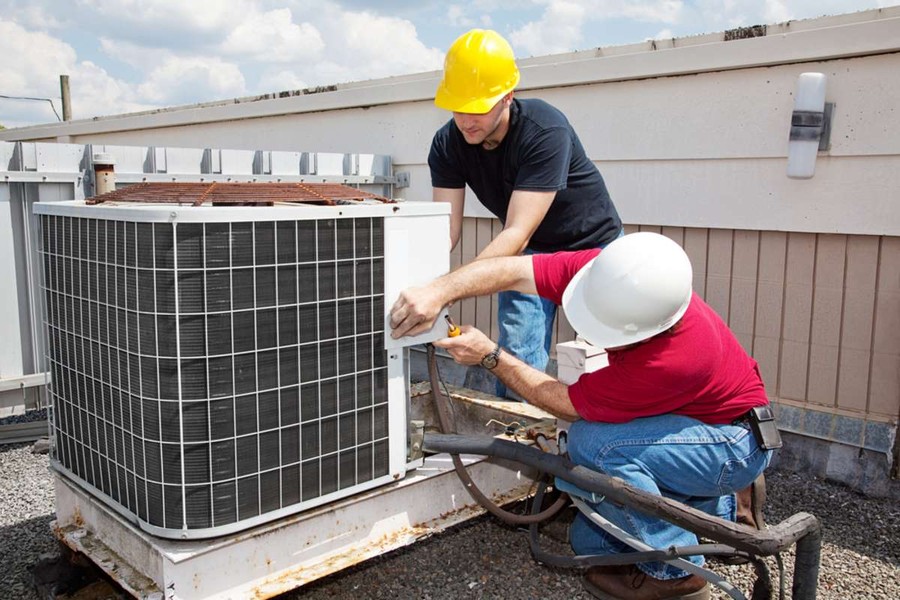
Establishing comprehensive maintenance schedules ensures no critical system gets overlooked. HVAC systems require quarterly inspections and filter changes to maintain efficiency and air quality. Roofing membranes benefit from bi-annual examinations that identify vulnerable areas before they fail. Parking lot surfaces need regular sealing to prevent water penetration that leads to potholes and structural deterioration. Windows and doors require periodic weatherstripping replacement to maintain energy efficiency.
Documentation forms a crucial component of effective preventive maintenance. Detailed records of inspections, repairs, and replacements create a valuable knowledge base that informs future decisions. This historical data helps predict component lifecycles, budget for upcoming capital expenditures, and demonstrate due diligence should liability issues arise. Digital maintenance management systems increasingly facilitate this record-keeping, offering dashboards that track schedules and flag overdue tasks.
Exterior Envelope Integrity
The building envelope serves as the primary defense against environmental elements. Any compromise in this protective barrier allows moisture, air, and pests to enter, triggering cascading problems that affect structural integrity, energy efficiency, and indoor environmental quality. Regular envelope assessments identify vulnerabilities before they permit significant damage.
Cladding systems, whether brick, metal panels, stucco, or composite materials, each present unique maintenance requirements. Brick and masonry demand attention to mortar joints that deteriorate over time and allow water penetration. Metal cladding requires inspection for corrosion, particularly at fastening points and seams. Composite panels can delaminate or fade when UV exposure degrades binding agents. Professional cleaning services by Entretien Squidgee help maintain these diverse surfaces, removing contaminants that accelerate deterioration while preserving aesthetic appeal.
Window and door assemblies represent particularly critical envelope components. Failed seals around glazing units permit moisture infiltration that damages surrounding wall cavities. Weatherstripping deteriorates with use and exposure, creating air leakage that increases heating and cooling costs substantially. Thresholds and sills require proper drainage design and maintenance to prevent water pooling that can penetrate interior spaces.
Drainage System Management
Effective water management ranks among the most important aspects of building maintenance. Improperly managed water causes more building damage than any other single factor, affecting foundations, walls, roofs, and interior spaces. Comprehensive drainage strategies address water at every interface with the structure.
Roof drainage systems must efficiently convey precipitation away from vulnerable areas. Flat or low-slope roofs depend on drains that can become obstructed by debris, leaves, or ice. Regular clearing ensures water flows freely rather than ponding on the roof surface, where it can find entry points or create excessive structural loads. Sloped roofs utilize gutters and downspouts that require similar maintenance attention to prevent overflow and ice accumulation.
Foundation drainage demands equal attention. Grading around buildings should direct surface water away from foundations, not toward them. Subsurface drainage systems, including weeping tiles and sump pumps, prevent groundwater from entering basements and underground parking areas. Testing these systems before spring thaw and autumn rains ensures they function when needed most.
Site drainage encompasses broader property considerations. Parking lots and walkways require proper pitch and drainage infrastructure to prevent ponding that accelerates surface deterioration and creates liability hazards. Landscape features should enhance drainage rather than impede it, with strategically placed swales and catch basins managing stormwater effectively.
Energy Efficiency and Operating Costs
Building operating expenses represent significant ongoing costs for commercial properties, with energy consumption typically comprising the largest controllable expense category. Maintenance practices directly influence these costs through their impact on system efficiency and envelope performance. Strategic attention to energy-related maintenance yields substantial long-term savings.
HVAC systems lose efficiency gradually as components wear and accumulate dirt. Dirty coils reduce heat transfer effectiveness, forcing systems to run longer to achieve desired temperatures. Worn belts create slippage that wastes energy. Refrigerant leaks diminish cooling capacity while increasing compressor workload. Regular maintenance keeps these systems operating at peak efficiency, reducing energy consumption by fifteen to thirty percent compared to neglected equipment.
Building envelope improvements offer another avenue for energy cost reduction. Adding insulation to under-insulated areas, sealing air leakage points, and upgrading to high-performance windows all reduce heating and cooling loads. These improvements often qualify for utility rebates or government incentive programs that offset implementation costs, shortening payback periods significantly.
Lighting system upgrades to LED technology reduce electricity consumption by sixty to eighty percent compared to traditional fixtures. Combined with occupancy sensors and daylight harvesting controls, these modern systems dramatically lower operating costs while improving light quality. The rapid payback on LED retrofits makes them among the most attractive building improvement investments available.
Tenant Satisfaction and Retention
Property maintenance quality directly affects tenant satisfaction, which in turn influences lease renewal rates and rental income stability. Tenants evaluate their spaces not only on initial appearance but on ongoing responsiveness to maintenance concerns and the overall condition of common areas and building systems. Properties that demonstrate consistent attention to maintenance attract and retain quality tenants willing to pay premium rates.
Responsive maintenance service creates positive tenant relationships. Prompt attention to reported issues shows respect for tenant operations and prevents minor problems from disrupting business activities. Establishing clear communication channels for maintenance requests and providing status updates demonstrates professional management that tenants value. Many properties now utilize online portals that allow tenants to submit requests, track progress, and access maintenance schedules.
Common area maintenance significantly influences tenant perception. Lobbies, corridors, restrooms, and parking areas that receive regular attention project professionalism and care. Clean, well-lit, properly functioning common spaces enhance the tenant experience and contribute to employee satisfaction within tenant organizations. Conversely, neglected common areas suggest management indifference that erodes tenant confidence and satisfaction.
Safety and Liability Considerations
Property owners bear substantial legal responsibility for maintaining safe premises. Accidents resulting from maintenance negligence can trigger costly litigation, increased insurance premiums, and reputational damage that affects property values. Proactive maintenance programs that address safety hazards demonstrate due diligence that protects against liability while creating genuinely safer environments.
Regular safety inspections identify potential hazards before they cause injuries. Uneven walking surfaces, inadequate lighting, malfunctioning doors, and slippery conditions all create liability exposure. Systematic inspection protocols with documented corrective actions establish the reasonable care standard that courts evaluate in negligence claims. Many properties engage third-party safety consultants who provide objective assessments and recommend improvements.
Life safety systems require particularly rigorous maintenance attention. Fire suppression systems, emergency lighting, exit signage, and alarm systems must function reliably when needed. Code requirements mandate regular testing and inspection by certified technicians, with detailed documentation of all service activities. Failures in these critical systems can result in catastrophic consequences, regulatory penalties, and criminal liability in extreme cases.
Conclusion
Successful commercial property management in Canada demands comprehensive maintenance strategies that address the country’s unique climate challenges, preserve building integrity, control operating costs, and maintain tenant satisfaction. Properties that invest in systematic preventive maintenance, document their activities thoroughly, and engage qualified service providers position themselves for long-term success in competitive real estate markets. The costs associated with proactive maintenance programs prove minimal compared to the expenses, disruptions, and value erosion that result from reactive approaches. By treating maintenance as a strategic priority rather than a discretionary expense, property owners protect their investments while creating environments where businesses thrive and tenants choose to remain.