


How Hard Water Impacts Pipes, Fixtures, and Appliances
Many homes deal with hard water, but most people don’t realize how bad it can be over time. People’s health is not generally affected by hard water, but it can damage plumbing, fixtures, and appliances in the home over time. Understanding how hard water works and the problems it causes can help homes avoid expensive repairs by acting before they are needed.
What Is Hard Water and Why Does It Matter
Hard water has a lot of minerals in it, mostly calcium and magnesium. As groundwater moves through different types of rock, it picks up these chemicals and adds them to the water supply. Even though they are naturally occurring, their buildup inside pipes and machines can make them less efficient, cause them to break down more often, and raise the cost of keeping them working. The problems caused by hard water usually build up over time, which makes it easy to ignore until damage can be seen.
Effects of Hard Water on Pipes
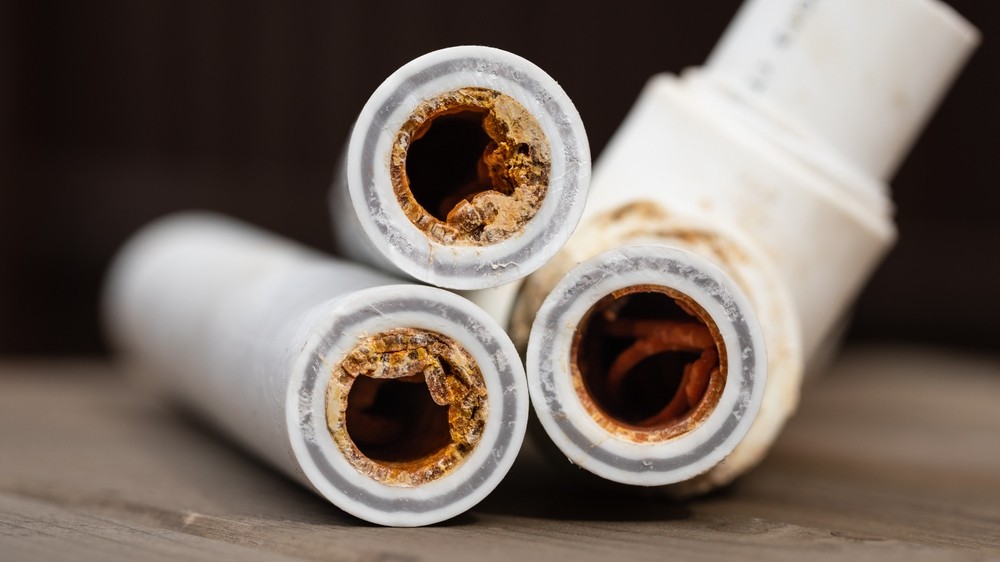
One of the most serious impacts of hard water is mineral buildup inside plumbing pipes. As hard water flows through pipes, calcium and magnesium deposits slowly accumulate along the interior walls. This buildup narrows the pipe diameter, restricting water flow and reducing water pressure throughout the home.
Over time, hardened mineral scale can place stress on older pipes, increasing the risk of corrosion and leaks. In severe cases, pipes may become partially or fully blocked, leading to backups and water damage. Addressing these issues early with professional assistance from an Affordable plumber Houston homeowners trust can prevent extensive repairs and pipe replacement.
Damage to Plumbing Fixtures
Hard water leaves visible signs on plumbing fixtures such as faucets, showerheads, and sinks. White or chalky residue, often called limescale, forms around fixture openings and surfaces. This buildup not only affects appearance but also interferes with water flow.
Showerheads clogged with mineral deposits may spray unevenly or lose pressure, while faucets may drip or malfunction due to internal scaling. Frequent cleaning can help manage surface buildup, but internal damage often requires professional attention to restore proper performance.
Impact on Household Appliances
Appliances that use water are particularly vulnerable to hard water damage. Minerals build up over time in water heaters, dryers, washing machines, and coffee makers. In water heaters, scale forms on heating elements and tank walls, reducing heating efficiency and forcing the system to work harder.
As a result, energy bills increase while appliance lifespan decreases. Washing machines may struggle to rinse clothes properly, dishwashers may leave spots on dishes, and coffee makers can become clogged. These inefficiencies often lead to premature appliance failure and costly replacements.
How Hard Water Affects Cleaning and Maintenance
Hard water reduces the effectiveness of soaps and detergents, making cleaning more difficult. Soap reacts with calcium and magnesium, creating residue that sticks to surfaces, fabrics, and skin. This leads to dull laundry, cloudy glassware, and stubborn bathroom stains.
Homeowners often use more cleaning products to compensate, increasing expenses and chemical exposure. Additionally, frequent descaling and maintenance become necessary to keep fixtures and appliances functional.
Preventing and Managing Hard Water Problems
While hard water cannot be eliminated from the supply, its effects can be managed. Water softening systems help reduce mineral content before water enters the plumbing system. Regular plumbing inspections and maintenance also play a key role in identifying early signs of mineral buildup.
Professional plumbers can flush systems, clean affected components, and recommend solutions tailored to household needs. Proactive care helps protect pipes, extend appliance life, and maintain efficient water flow throughout the home.
Conclusion
Hard water may seem harmless at first, but its long-term impact on pipes, fixtures, and appliances can be costly and disruptive. From reduced water pressure to appliance breakdowns, mineral buildup affects nearly every part of a home’s plumbing system. By understanding these risks and seeking timely professional help, homeowners can minimize damage, improve efficiency, and avoid unexpected plumbing emergencies.