



Adapting to Multi-Generational Living in Singapore: Evaluating Dual-Key Configurations, Interconnected Units, and Large-Format Family Condominiums
As demographic structures evolve and property values in Singapore continue their long-term upward trajectory, housing preferences among affluent families have undergone a noticeable shift. Multi-generational co-living—where adult children, parents, and grandparents reside under a single roof or within the same residential complex—has re-emerged as a practical and culturally rooted lifestyle model.
For home-seeking families and forward-thinking property buyers, the primary challenge of multi-generational living lies in balancing daily communal connection with individual personal privacy. Achieving this equilibrium requires an in-depth evaluation of floor plan layouts, spatial acoustic separation, structural adaptability, and the financial implications of acquiring large-format residential assets.
Spatial Configurations for Multi-Generational Households
Modern private residential developments cater to extended families through several distinct layout configurations, each offering unique lifestyle and privacy advantages.
1. Dual-Key Units: Functional Autonomy Under One Legal Title
A dual-key apartment features a shared main foyer that leads into two separate, self-contained living areas—typically a primary multi-bedroom unit on one side and an independent studio or one-bedroom suite on the other. Each sub-unit possesses its own private entrance door, kitchenette, and bathroom facilities.
This layout allows elderly parents or adult working children to enjoy complete daily independence, separate cooking spaces, and private sleep quarters while remaining steps away from the rest of the family. From a practical standpoint, dual-key units eliminate the friction of shared bathrooms and differing daily schedules.
2. Large-Format 4-Bedroom and 5-Bedroom Residences
For families that prefer unified living spaces with oversized communal halls, large-format single-level apartments offer an attractive alternative. These expansive residences prioritize generous living and dining areas capable of accommodating large family gatherings, extended meal times, and child play zones.
To maintain personal privacy within a single-level layout, modern architects arrange bedrooms along separate wing corridors, placing master suites away from junior bedrooms or guest rooms.
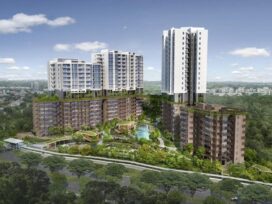
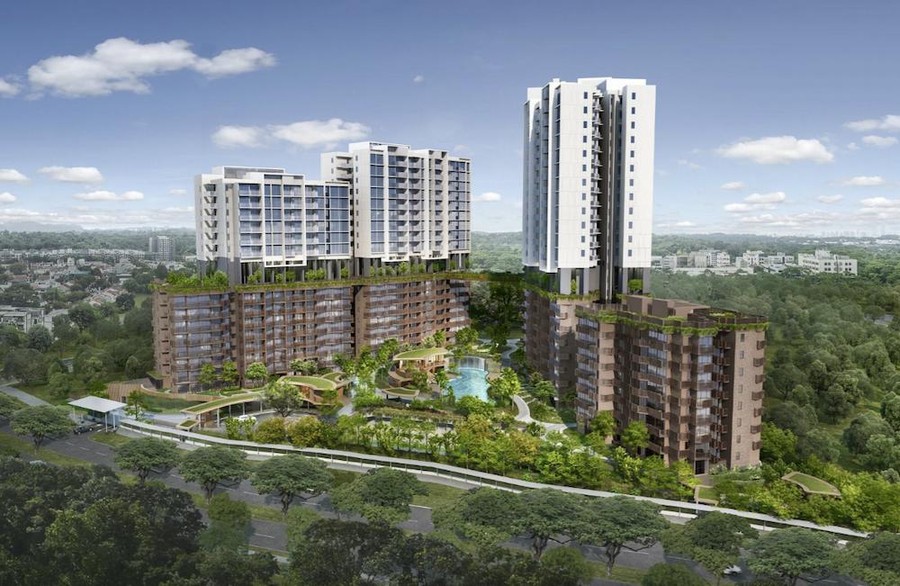
For extended families prioritizing tranquility, spacious low-density surroundings, and refined architectural privacy in prime residential enclaves, boutique developments such as Amberwood at Holland illustrate how thoughtful site massing and generous interior proportions create a peaceful retreat near Holland Village.
The Financial and Regulatory Framework of Multi-Generational Real Estate
Beyond immediate lifestyle benefits, acquiring property designed for multi-generational living offers distinct financial advantages within Singapore’s property tax and stamp duty framework.
1. Additional Buyer’s Stamp Duty (ABSD) Efficiency
Because a dual-key apartment or a large-format multi-bedroom unit is classified legally as a single strata-titled residential property, buyers pay stamp duties based on one asset purchase. This allows families to house two distinct generation branches under one roof without triggering second-property ABSD rates.
This single-title structure preserves the “first-time buyer” capacity of other adult family members, leaving them free to acquire future real estate investments independently without tax penalties.
2. Flexible Sub-Leasing Potential
Dual-key properties offer inherent cash-flow flexibility over a family’s lifecycle. When multi-generational co-living needs change—such as when children relocate overseas for education—the independent studio wing can be leased out to a corporate tenant without compromising the privacy of the main family residence.
Investors and families analyzing multi-generational living options, strong transit connectivity, and lifestyle amenities in rising growth corridors often evaluate projects such as Lucerne Grand, examining site plans, unit mix configurations, and rental yield potential.
Technical Floor Plan Criteria for Multi-Generational Living
When inspecting showflats or reviewing architectural floor plans for an extended household, prospective buyers should focus on key structural details that impact daily living quality:
- Dual Master Suites or Multiple Ensuite Bathrooms:Ensure at least two bedrooms feature private attached bathrooms to prevent morning routine congestion among working adults and elderly family members.
- Acoustic Insulation and Partition Quality:Verify that internal walls dividing key bedrooms or dual-key sub-units feature high-density soundproofing materials to absorb noise from televisions, late-night working hours, or young children.
- Dual Kitchen Infrastructure:A dedicated wet kitchen for heavy daily family cooking paired with an open dry kitchen or kitchenette provides flexibility for preparing different meals simultaneously.
- Barrier-Free Universal Design:Look for wide doorway clearances, flush floor transitions without high step-ups, and step-free shower access to accommodate elderly family members comfortably and safely.
- Utility Rooms and Household Shelters:Multi-generational homes require significant storage capacity. A well-placed utility yard and household shelter keep sports equipment, luggage, and household supplies neatly organized.
Family Layout Tip: Look for floor plans with flexible drywall partitions separating adjacent bedrooms. This structural feature allows you to merge two smaller rooms into a large junior suite or a quiet home office as family living dynamics evolve over time.
Strategic Summary for Extended Households
Successfully establishing a multi-generational home in Singapore requires matching layout functionality with long-term financial planning. By choosing a property that provides spatial autonomy, efficient single-title tax structuring, and universal design features, families can enjoy the benefits of close family bonding while preserving individual privacy and long-term asset value.